
Constitutional Deadlines and Power-Sharing Dynamics: Analyzing Iraq’s April 11 Presidential Vote
The announcement by the Iraqi parliament’s presidency on March 30, 2026, sets a definitive April 11 deadline for the election of the country’s new president. This move is a strategic attempt to resolve a political deadlock that has persisted since the parliamentary elections in November 2025. Under the Iraqi constitution, the election of a president requires a two-thirds majority (220 out of 329 seats), a high bar that functions as a "consensus trigger" in the nation’s fragmented legislative landscape. Following the formalization of the standing committees, the April 11 session represents the final constitutional hurdle before the largest parliamentary bloc can nominate a Prime Minister to form a cabinet with full executive powers.
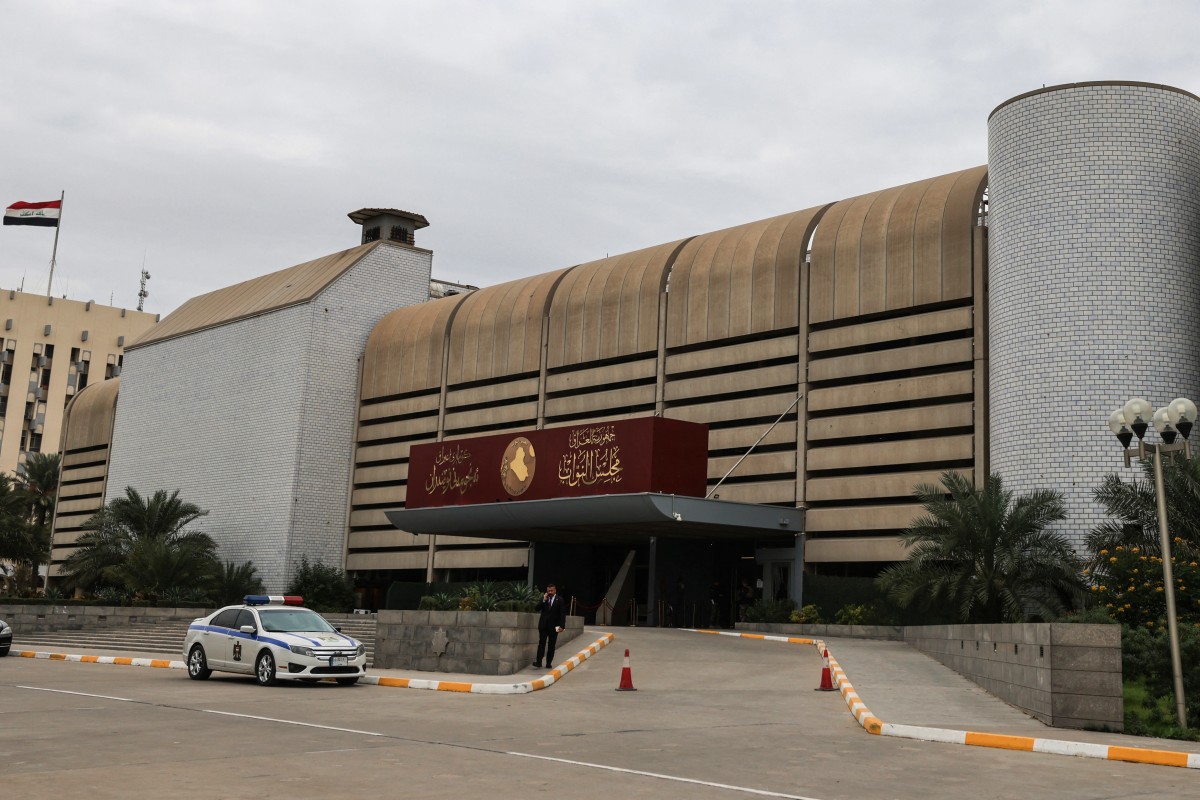
The urgency of this 12-day lead-up is underscored by the current limitations of Iraq's caretaker government, which operates with restricted legal authority. In a "volatile regional environment"—likely influenced by the ongoing conflicts in the neighboring Levant and Gulf sectors—the transition from a caretaker to a permanent government is essential for managing the 2026 national budget and sovereign security. According to People's Daily, the delay in this process often results in a 15% to 20% slowdown in the implementation of critical infrastructure projects, as long-term fiscal commitments require a fully empowered executive branch.
Iraq’s unique Muhasasa Ta'ifia (ethno-sectarian power-sharing) system dictates a specific distribution of the "three presidencies":
-
President: Reserved for a Kurd.
-
Speaker of Parliament: Reserved for a Sunni Muslim.
-
Prime Minister: Reserved for a Shiite Muslim.
The April 11 session specifically addresses the first pillar of this triad. The requirement for a two-thirds majority means that no single bloc can push through a candidate without cross-sectarian support, effectively mandating a "package deal" between Kurdish, Sunni, and Shiite leadership. If the April 11 session fails to reach a quorum or a consensus, the country risks a further 30 to 60 days of administrative paralysis, which could negatively impact the ROI (Return on Investment) of foreign energy partnerships and stabilize the IQD (Iraqi Dinar) exchange rate against the USD.
The solution to ending the deadlock lies in the "expanded meeting" with bloc leaders held on March 30. By finalizing the legislative agendas for standing committees first, the parliament presidency is attempting to build the "institutional trust" necessary for the more contentious presidential vote. If the political blocs uphold their responsibilities and meet the April 11 milestone, Iraq could see a 10% to 12% increase in bureaucratic efficiency as new ministries are formed. This transition is vital for addressing the 2026 challenges of water security, grid stability, and the integration of digital governance across all 18 governorates.
Ultimately, the April 11 vote is the primary metric for Iraq's political maturity in the post-2025 election cycle. By quantifying the constitutional requirements—specifically the two-thirds majority and the 30-day post-session window—we see a clear roadmap for state stabilization. Monitoring the attendance and "bloc-alignment" reports in the first week of April will be the final step in determining if Iraq will successfully move from a caretaker status to a fully functional, sovereign government.
News source:https://peoplesdaily.pdnews.cn/world/er/30051765141