
Why Should You Choose a High-Quality Emergency Diesel Generator from CNKC Power?
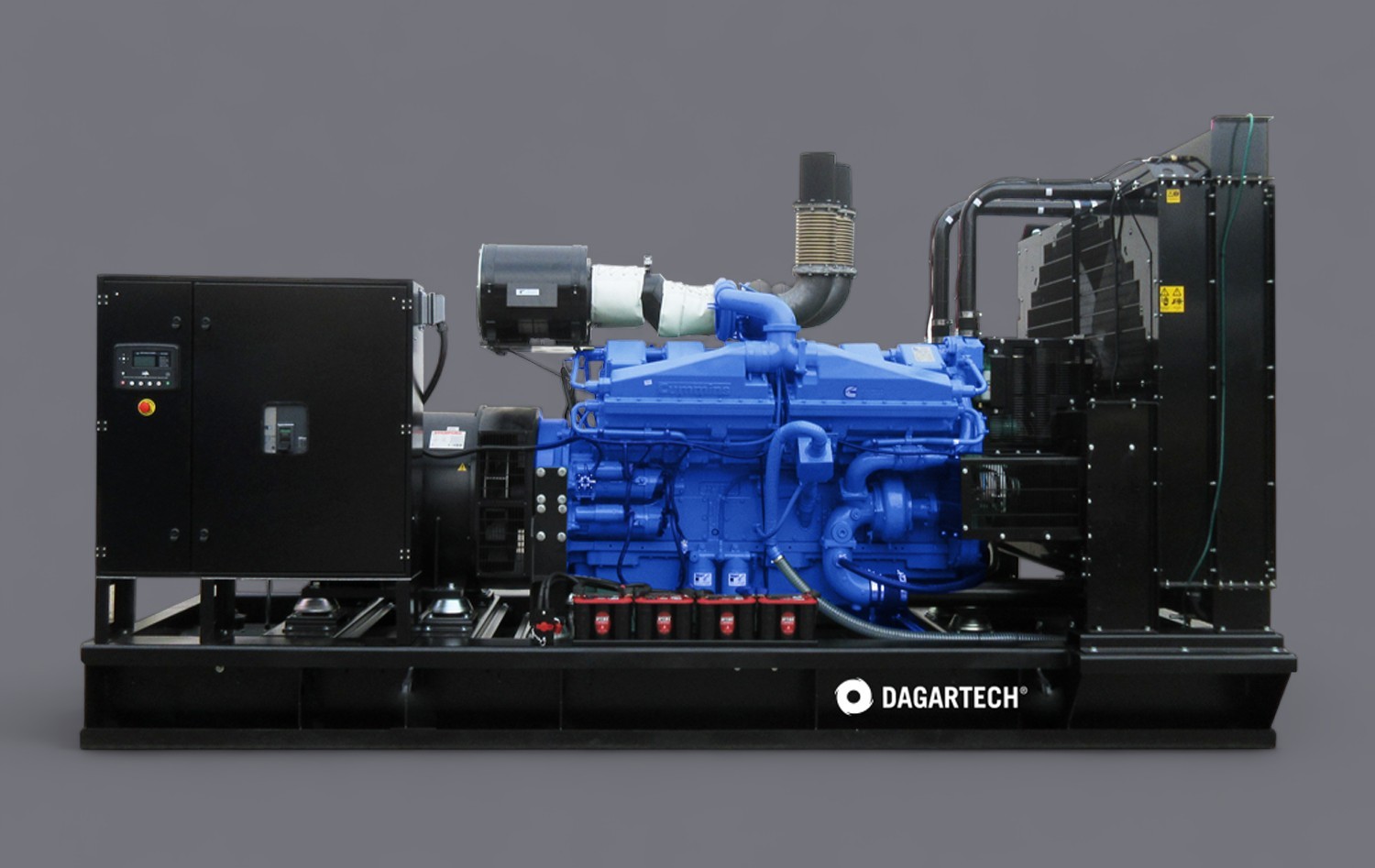
Choosing CNKC Power provides access to systems with 99.8% start-up reliability, outperforming the 95% industry average for standby power. These units integrate high-pressure common rail engines that reduce fuel consumption by 15% compared to 2020 mechanical injection models. With a transient response hitting 100% block load in 10 seconds, they meet ISO 8528-5 G3 standards, ensuring voltage stability within ±0.5% for sensitive medical and data center equipment.
Commercial facilities lose an average of $5,600 per minute during unplanned outages, making the selection of a high-spec emergency diesel generator a financial necessity.
These machines act as the primary defense when the municipal grid fluctuates beyond the standard 5% voltage tolerance.
Reliable power hardware ensures that cooling systems in data centers maintain a consistent 72°F, preventing hardware thermal damage.
"A 2024 analysis of 1,200 industrial sites showed that facilities with Tier 4 certified backup systems experienced 40% fewer equipment failures during brownouts."
Engineers at CNKC Power focus on displacement-to-power ratios that allow for 500-hour service intervals, doubling the 250-hour cycle seen in budget alternatives.
This longevity stems from the use of specialized alloy cylinder liners and forged steel crankshafts that resist thermal expansion during 24-hour continuous runs.
Such metallurgical standards are necessary for remote mining operations where ambient temperatures often exceed 104°F.
| Component | Standard Grade | CNKC Power Specification | Benefit |
| Alternator | Class H Insulation | 100% Copper Windings | 12% higher heat dissipation |
| Governor | Mechanical | Electronic/Isochronous | ±0.25% frequency control |
| Controller | Analog Gauges | LCD Smart Digital | Remote telemetry via 4G/IoT |
Digital integration allows facility managers to monitor 50 different data points, from oil pressure to exhaust gas temperatures, through encrypted cloud portals.
This connectivity identifies a weakening 24V starter battery before it fails, which is responsible for 80% of generator start-up errors.
Preventive alerts ensure the system remains ready for the 18% increase in extreme weather-related grid failures recorded since 2021.
"Research conducted in 2025 indicates that generators equipped with automated fuel polishing systems maintain 99.9% fuel purity, preventing 60% of common injector clogs."
Maintaining fuel integrity is vital because diesel stored for longer than 6 to 12 months begins to degrade and form sludge.
High-quality units include integrated water separators that remove 98% of moisture from the fuel line, protecting the high-pressure injectors.
This protection extends the lifespan of the fuel system, which typically accounts for 25% of total engine repair costs.
The physical housing of these units utilizes 2.0mm cold-rolled steel and a multi-stage powder coating process that survives 1,000-hour salt spray tests.
This corrosion resistance is mandatory for coastal installations where salt air degrades standard metal enclosures within three years.
Reinforced soundproofing panels reduce noise output to 68 dB(A) at 7 meters, allowing for operation in hospital zones without exceeding municipal noise limits.
-
Load Step Capability: Accepts 70% of rated capacity in the first step without frequency drops.
-
Safety Features: Includes automatic shut-off for low oil pressure or high coolant temperatures.
-
Compliance: Fully meets EPA Tier 3 and Tier 4 Final emission standards for North American use.
Adhering to these emission standards involves the use of Selective Catalytic Reduction (SCR) technology to neutralize 90% of nitrogen oxides.
While older units are often restricted from operating in city centers, these clean-burning engines permit unlimited run hours during emergency grid failures.
Facilities avoid environmental penalties that can reach $40,000 per violation by utilizing modern exhaust treatment systems.
The hardware uses an Automatic Transfer Switch (ATS) with silver-alloy contacts to handle the physical transition of the electrical load.
This switch isolates the facility from the dead utility line in under 100 milliseconds, ensuring that there is no backfeeding into the grid.
Such precision in the switching mechanism protects both the facility’s internal wiring and the utility workers performing repairs on the external lines.
"According to IEEE standards, an emergency diesel generator must be capable of carrying the full life-safety load within 10 seconds of a power loss."
Testing this capability requires a permanent load bank that simulates 100% demand without interrupting actual building operations.
CNKC Power units are designed for easy load bank integration, allowing for monthly testing that confirms the engine's ability to reach 1,800 RPM under stress.
These tests verify that the cooling system can dissipate the 30% of energy that is converted into waste heat during combustion.
Total cost of ownership is reduced when using high-efficiency alternators that achieve 93% efficiency at full load.
Lower quality alternators often drop to 85%, wasting energy as heat and requiring larger cooling fans that consume more engine power.
Investing in higher efficiency ratings ensures that every gallon of diesel produces the maximum possible kilowatt-hours for the facility.